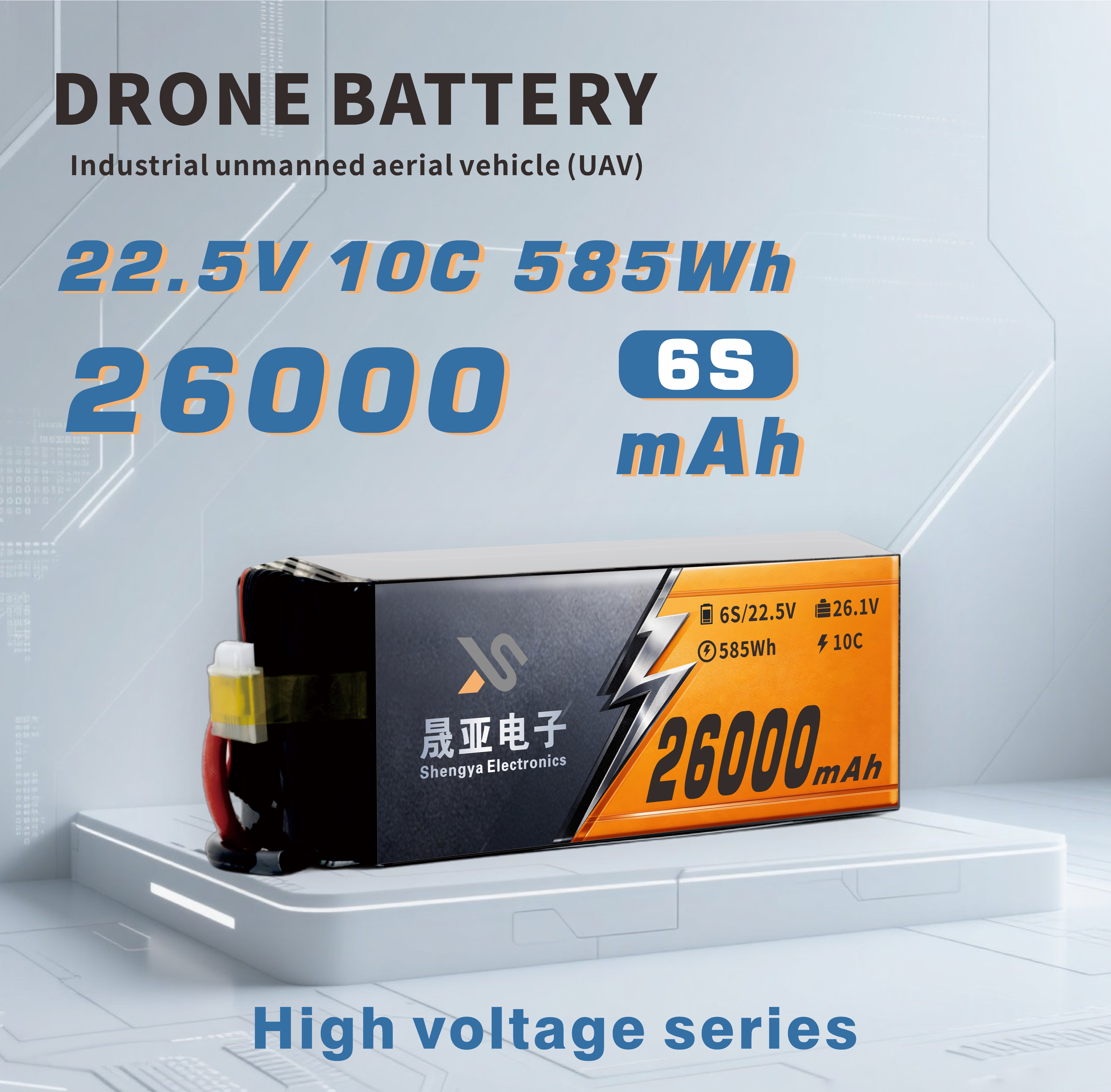
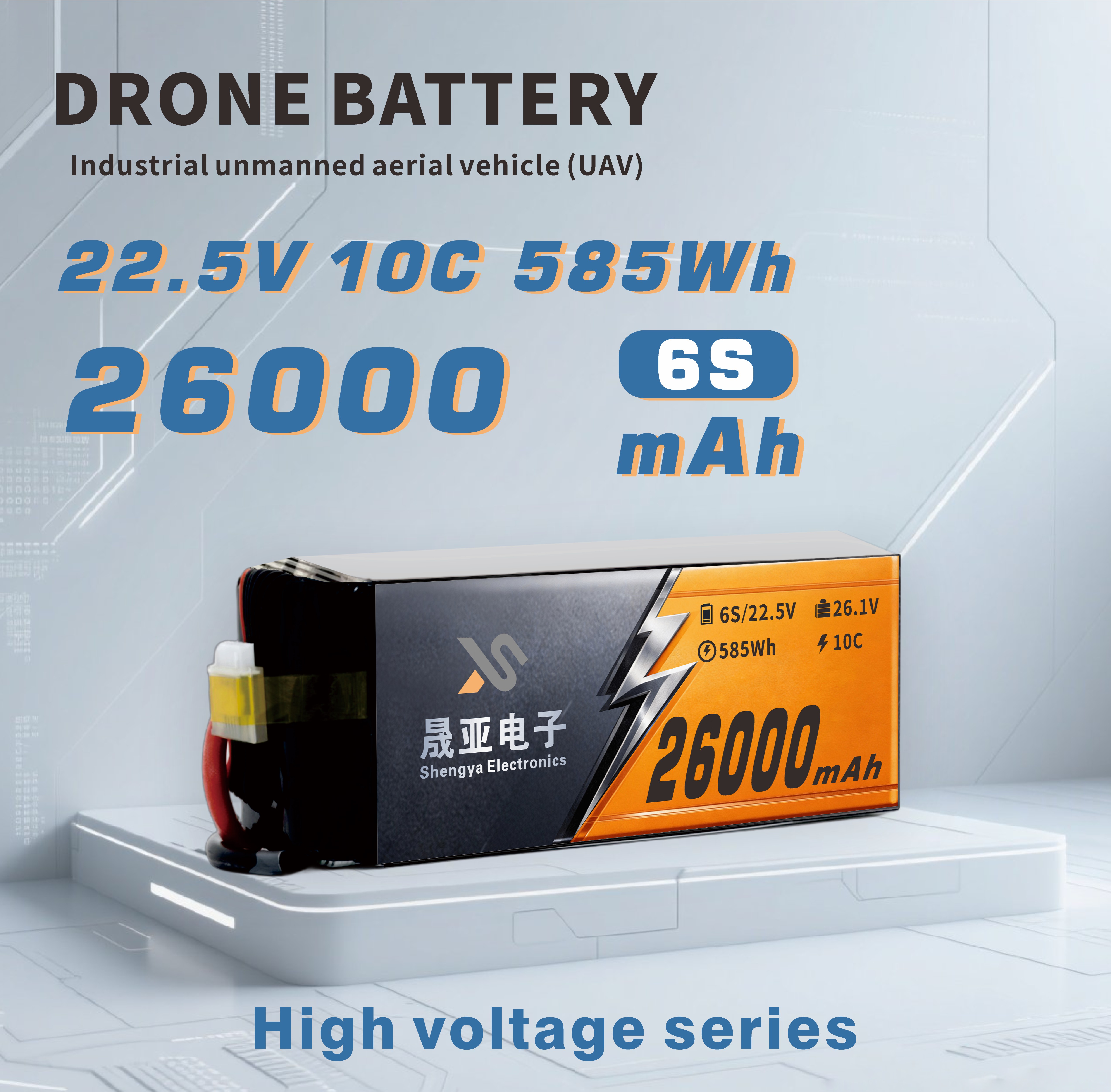
Commercial UAV operations run on strict margins where power failure or unpredictable voltage drops result in lost payloads, grounded fleets, or catastrophic hardware damage. Standard lithium batteries lack the diagnostic telemetry, high current resistance, and hardware redundancies required for enterprise-scale drone programs. Operators face challenges balancing payload capacity, flight time, and thermal safety under heavy discharge cycles. Transitioning from consumer-grade power to a robust, commercial-grade Smart Drone Battery requires evaluating cell chemistry, integrated management systems, and communication protocols to maximize both safety and airtime. This guide breaks down the technical criteria for selecting and integrating intelligent power systems for industrial applications. We will look at how specific hardware choices impact flight stability and why advanced telemetry prevents mid-air failures.
BMS is Non-Negotiable: An intelligent drone battery BMS is the defining factor between a standard power cell and a commercial-grade asset, providing active cell balancing and thermal regulation.
Data-Driven Reliability: Smart battery management systems provide real-time State of Charge (SoC) and State of Health (SoH) telemetry, enabling predictive maintenance and preventing mid-flight failures.
Chemistry Dictates Application: The choice between High-Voltage LiPo (lightweight, high discharge) and Li-ion (durability, high energy density) must align strictly with the UAV’s payload weight and mission duration requirements.
Compliance and Safety: True industrial UAV batteries feature independent hardware safety cutoffs and comply with aviation transport standards (e.g., UN38.3) to mitigate thermal runaway risks.
Baseline Success Criteria for an Industrial UAV Battery
Establishing the minimum viable requirements for commercial drone power requires focusing on reliability under continuous, high-stress deployment. High current resistance serves as a mandatory baseline. Commercial drones operate in unforgiving environments, demanding power sources that deliver consistent voltage under heavy, fluctuating loads. A standard battery sags under these conditions, triggering premature low-voltage alarms. A commercial power unit holds its voltage curve steady until the final stages of discharge.
Field testing a prospective Industrial UAV Battery involves specific validation steps before fleet integration:
Mount the battery on a test bench with the exact motor and propeller configuration used in the field.
Apply a continuous load simulating maximum takeoff weight (MTOW) for five minutes.
Record the voltage sag at the battery terminals and compare it against the flight controller's telemetry data.
Measure the external casing temperature immediately after the discharge cycle to verify thermal dissipation efficiency.
Energy Density vs. Discharge Rates
Evaluating the physical realities of lithium-ion (Li-ion) versus lithium polymer (LiPo) chemistries dictates operational capabilities. High energy density and durability define Li-ion cells. Manufacturers utilize cylindrical formats like 18650 or 21700 cells. These metal-cased cells offer structural rigidity and superior cycle life. They support extended flight times and longevity, making them ideal for mapping and surveying missions. These operations require steady, prolonged power draw rather than sudden bursts of current.
Lightweight, fast-discharge chemistries define LiPo batteries. They utilize pouch cell designs, eliminating the heavy metal casing to save weight. They are the preferred choice for heavy-lift agricultural, inspection, or delivery drones. These applications require rapid power delivery to stabilize heavy payloads. LiPo cells handle massive current spikes during aggressive maneuvers or wind resistance corrections without overheating.
Operators must establish baseline metrics for specific energy (Wh/kg) and specific power (W/kg). Specific energy dictates how long the drone flies. Specific power dictates how much weight it can lift and maneuver. Selecting the wrong chemistry results in either a drone that cannot lift its payload or one that lands after five minutes.
Performance Metric
Lithium-Ion (Li-ion) Cylindrical
Lithium Polymer (LiPo) Pouch
Specific Energy (Wh/kg)
200 - 260 Wh/kg
150 - 200 Wh/kg
Continuous Discharge Rate
5C - 15C
20C - 100C+
Expected Cycle Life
500 - 800 cycles
150 - 300 cycles
Structural Format
Rigid Metal Casing
Flexible Foil Pouch
Primary Field Application
Fixed-wing mapping, endurance multirotors
Agricultural spraying, heavy payload delivery
Environmental Tolerance and Thermal Stability
Performance degradation in extreme temperatures poses a severe operational risk. Sub-zero environments cause rapid capacity loss. The internal resistance of the lithium cells increases drastically in the cold. This leads to severe voltage sag, tricking the flight controller into initiating a premature emergency landing. High-heat environments introduce thermal runaway risks. Continuous high-current discharge generates significant internal heat. If this heat cannot escape, the chemical structure breaks down.
Internal thermal dissipation design separates commercial packs from consumer toys. High-end packs utilize Phase Change Materials (PCM) or aluminum heat sinks to absorb and channel excess heat away from the core. Robust weather-sealed casing with IP ratings (Ingress Protection) like IP55 or IP67 prevents dust and moisture intrusion from short-circuiting unprotected cell terminals. Proper thermal padding and heat-dissipating enclosures keep core temperatures within safe operating limits across diverse climates.
Core Architecture of a Smart Drone Battery System
Moving beyond the raw cell involves deconstructing hardware and software layers. These layers elevate a basic battery pack into a smart system. This architecture maximizes airtime and operational safety. It transforms a volatile chemical energy source into a predictable, manageable digital asset.
The Role of an Intelligent Drone Battery BMS
The Battery Management System (BMS) acts as the central processing unit of the battery. An Intelligent Drone Battery BMS continuously monitors individual cell voltage, current, and temperature. It uses advanced algorithms, like Coulomb counting combined with Kalman filtering, to provide highly accurate capacity estimations.
This continuous monitoring prevents overcharging and over-discharging. If a single cell drops below a critical voltage threshold, the BMS intervenes. It balances the load or alerts the flight controller via data link. This prevents irreversible chemical damage to the cell pack. Without this system, a single weak cell drags down the entire pack, causing a sudden power failure mid-air.
Hardware-Level Safety Cutoffs and Redundancies
Software protections are insufficient for commercial aviation. Independent hardware circuits must trip short-circuit protections within 50 microseconds. Hardware acts significantly faster than software-based interventions. A software loop takes milliseconds to register a fault and execute a command. In a dead short scenario, those milliseconds result in melted connectors or a fire. Physical MOSFET arrays or contactors physically sever the connection instantly.
Dual-redundancy power delivery systems ensure the flight controller remains powered even if a primary cell group fails. Redundant power routing guarantees that the drone maintains navigation and communication. This allows for a controlled emergency landing rather than a catastrophic fall. Enterprise drones feature dual battery bays specifically to leverage this redundant architecture.
Data Telemetry and State of Health (SoH) Tracking
Critical data points transmit to the Ground Control Station (GCS) in real-time. This includes precise State of Charge (SoC), total cycle count, and internal resistance. The BMS calculates internal resistance dynamically during flight by observing voltage sag under known current loads.
State of Health (SoH) tracking prevents the deployment of degraded batteries. As batteries age, their internal resistance increases. High internal resistance causes sudden voltage sags under heavy load. A battery shows 100% SoC on the charger, but a poor SoH means it fails minutes into a flight. Tracking SoH ensures operators only deploy flight-worthy assets, removing guesswork from fleet maintenance.
Evaluating Intelligent BMS Drone Battery Features
Mapping specific smart features to operational outcomes reveals their true value. Understand how these features translate directly to operational safety and fleet efficiency. A feature holds value only if it solves a real-world deployment problem or extends the lifespan of the hardware.
Smart Battery Management for Active Cell Balancing
Cell balancing occurs during both charge and discharge cycles. Passive balancing bleeds off excess voltage from high cells as heat through resistors. It is inefficient, slow, and generates unwanted thermal loads inside the battery casing. This heat further degrades the cells you are trying to protect.
Active balancing transfers energy from higher voltage cells to lower voltage cells. It uses flying capacitors or inductive converters to shuttle the charge. Smart Battery Management utilizing active balancing extends the usable capacity of the pack. It prolongs overall cycle life by preventing single-cell degradation. When all cells discharge evenly, the entire pack performs better under heavy load. You get more flight time per charge and more charges per battery lifespan.
Balancing Method
Mechanism
Thermal Output
Efficiency
Impact on Cycle Life
Passive Balancing
Burns excess voltage as heat via resistors
High (Generates internal heat)
Low (Wastes energy)
Moderate (Heat can degrade cells)
Active Balancing
Transfers energy between cells via capacitors
Low (Minimal heat generation)
High (Conserves energy)
Excellent (Maximizes cell longevity)
Communication Protocols and Flight Controller Integration
Evaluate standard communication interfaces like CAN bus, SMBus, and UART. Each protocol serves a different tier of hardware. The protocol dictates how reliably the battery talks to the drone's flight controller.
CAN bus stands as the industry standard for industrial UAVs. It offers exceptionally high noise immunity. Drone motors and Electronic Speed Controllers (ESCs) generate massive electromagnetic interference (EMI). CAN bus cuts through this noise using differential signaling. It ensures reliable data transmission between the battery and the flight controller. SMBus and UART are common in consumer electronics but lack the robust error-checking required for heavy-lift drones operating in complex RF environments.
Auto-Discharge and Storage Optimization
Lithium batteries degrade rapidly when stored at a full charge. The internal chemical stress causes the electrolyte to break down and generate gas. The auto-discharge feature automatically drains the battery to a safe storage voltage, typically 3.8V per cell.
An Intelligent BMS Drone Battery initiates this process after a set period of inactivity. This prevents battery swelling. It halts internal chemical degradation during off-seasons or downtime. Operators no longer need to manually discharge fleets before storage. The battery manages its own chemical health, saving significant resources in premature battery replacement across a commercial fleet.
Value Influencing Factors and Conceptual Trade-Offs
Procurement decisions require balancing mission requirements against physical limitations. You must evaluate the trade-offs between weight, power, and longevity. There is no single perfect battery. There is only the perfect battery for your specific airframe and mission profile.
Weight vs. Flight Time vs. Payload Capacity
Adding battery weight yields diminishing returns. Heavier batteries require more thrust to maintain a hover. More thrust draws more current. This tests the battery's high current resistance and generates more heat. The disk loading on the propellers increases, reducing overall aerodynamic efficiency.
Calculate the optimal battery weight-to-payload ratio for specific airframes. Factor in the lightweight advantages of LiPo versus the endurance of Li-ion. A massive battery doubles the theoretical capacity on paper. However, the added weight might only yield three extra minutes of actual flight time while severely restricting your payload capacity. Map the power curve against the thrust-to-weight ratio of your specific drone motors.
Initial Procurement Cost vs. Cycle Life ROI
Smart drone batteries require a larger initial investment compared to basic packs. Raw lithium cells wired to a basic connector lack safety features and provide zero telemetry. Relying on them for commercial operations introduces massive liability.
Calculate your Return on Investment (ROI) based on extended cycle life. A smart battery achieves 500+ cycles due to active balancing and thermal management. A basic pack fails after 150 cycles due to poor cell balancing and over-discharge damage. Intelligent BMS protections and predictive maintenance justify the initial resource allocation. You replace batteries less frequently and lose fewer drones to sudden power failures.
Implementation Risks and Mitigation Strategies
Adopting and maintaining enterprise drone power systems introduces friction points. Address these operational realities directly. Proper planning prevents grounded fleets and safety incidents.
Regulatory Compliance and Certification
Commercial transport and operation require mandatory certifications. UN38.3 governs transportation safety, ensuring the battery will not catch fire during air freight or rough transit. UL and CE marks dictate electrical safety standards and manufacturing quality.
Mitigation requires strict vendor vetting. Require vendor documentation of third-party testing. This testing covers vibration, altitude simulation, and thermal shock. Never deploy uncertified batteries in a commercial fleet. The liability risks are too high. If an uncertified battery causes a fire, insurance providers will likely void the claim.
Charging Infrastructure and Fleet Logistics
Charging multiple high-capacity batteries in the field creates a massive bottleneck. Standard chargers cannot keep up with continuous fleet operations. Parallel charging basic batteries is highly dangerous and leads to fires if cell voltages are mismatched.
Mitigate this by investing in smart charging hubs. These hubs communicate directly with the battery's internal BMS. They optimize charge rates based on real-time cell temperatures and internal resistance. They sequence charging based on fleet deployment schedules. This ensures the next required drone always has a fully charged, perfectly balanced power source ready.
Firmware Compatibility and Update Protocols
Communication errors pose a significant risk in smart systems. Updated flight controllers fail to read outdated battery firmware. This results in lost telemetry. The drone refuses to arm, or worse, it misinterprets battery data mid-flight.
Mitigate this risk by establishing a strict Standard Operating Procedure (SOP) for firmware management:
Download the latest stable firmware releases for the flight controller, GCS, and battery BMS.
Flash the battery BMS first using the manufacturer's dedicated software tool.
Update the flight controller and verify CAN bus node ID assignments.
Power cycle the entire system and monitor the GCS for accurate telemetry readouts before attaching propellers.
Conclusion
A commercial UAV program cannot scale safely without integrating smart battery technology. The initial investment in an intelligent BMS is offset by the prevention of single-point failures. You maximize airtime and extend hardware lifespans. Base battery selection strictly on the required communication protocol, specific energy, and discharge requirements. Always verify hardware safety redundancies, such as sub-50-microsecond cutoffs.
Conduct controlled ground tests measuring voltage sag under maximum payload weight before flying.
Verify telemetry accuracy with the flight controller using your specific GCS software to ensure data fidelity.
Audit the vendor’s compliance certifications, specifically UN38.3 and UL marks, before fleet-wide procurement.
Establish a firmware update SOP that includes the battery BMS, flight controller, and smart charging hub.
FAQ
Q: What is the difference between a standard and a smart drone battery?
A: A standard battery only provides raw power, leaving safety and monitoring to external devices. A smart drone battery contains an internal Battery Management System (BMS) that actively balances cells, regulates temperature, communicates telemetry to the flight controller, and manages safe storage voltages.
Q: How does an intelligent drone battery BMS prevent thermal runaway?
A: The BMS continuously monitors individual cell temperatures and voltages. If it detects anomalies, it throttles current output, triggers hardware-level safety cutoffs within 50 microseconds to isolate the battery, and alerts the flight controller to initiate an emergency landing before thermal runaway occurs.
Q: What communication protocols are used in an intelligent BMS drone battery?
A: Commercial drone batteries typically use CAN bus, SMBus, or UART protocols. CAN bus is the most prevalent in industrial applications due to its robust error-checking and resistance to electromagnetic interference from the drone's motors.
Q: How long does an industrial UAV battery last?
A: Lifespan is measured in charge cycles. While consumer batteries degrade after 100-200 cycles, an industrial UAV battery with smart battery management maintains optimal health for 300 to over 500 cycles, depending on the depth of discharge, chemistry, and operating temperatures.
Q: Why is the auto-discharge feature important for commercial drones?
A: Storing lithium batteries at full charge causes internal stress, leading to swelling and permanent capacity loss. The auto-discharge feature automatically drains the battery to a safe storage level around 50-60% after a set number of idle days, protecting the asset's longevity.