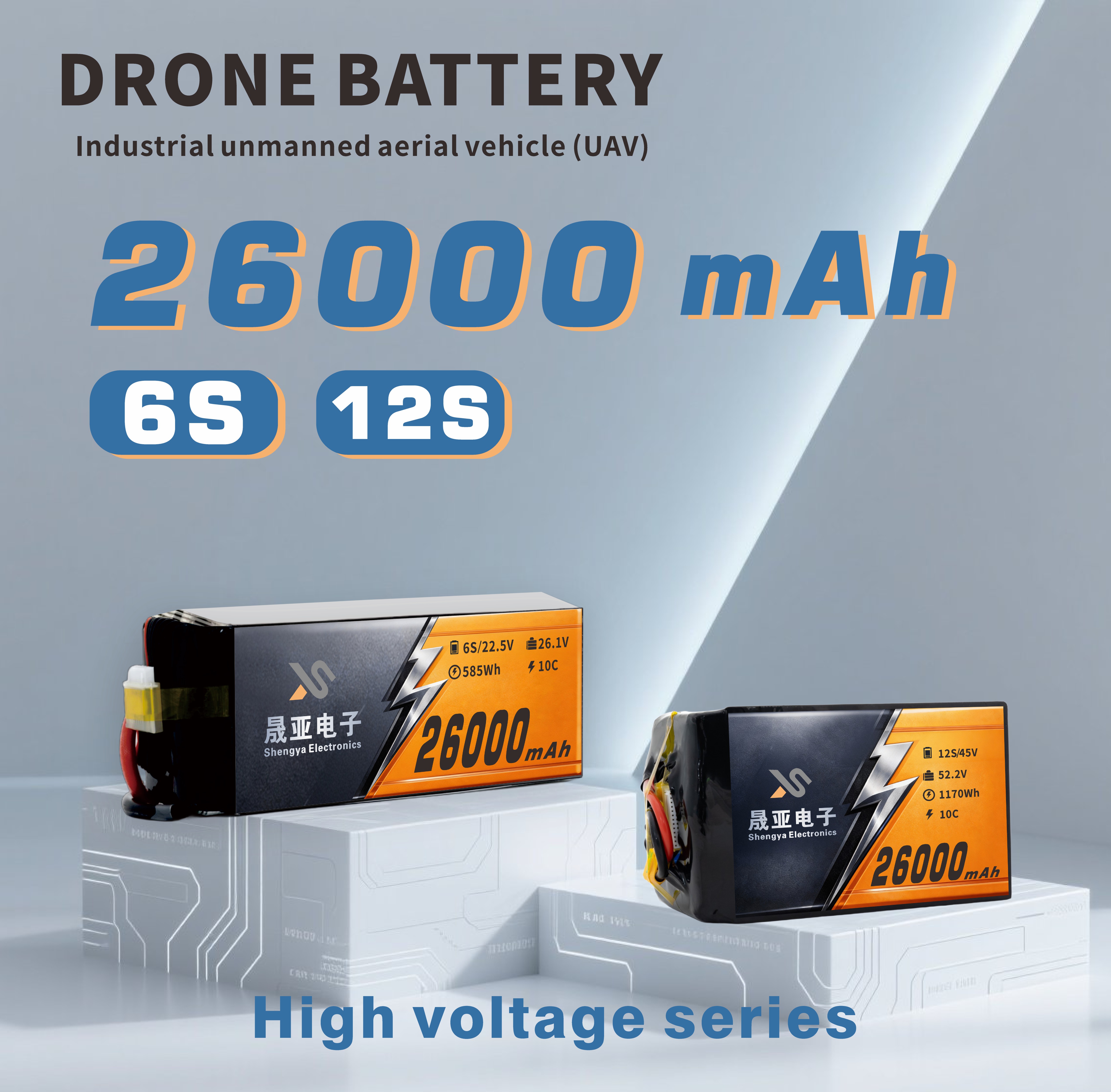
Power failures consistently rank as a primary cause of catastrophic drone crashes. Mapping a rugged construction site or delivering critical medical supplies demands absolute equipment reliability. A commercial UAV relies fundamentally on its power source. Operators risk losing expensive payloads without a dependable energy reservoir. This guide breaks down the inner workings of advanced power management. We will explore how specialized circuitry acts as the digital brain behind the cells to actively prevent mid-air failures during complex operations.
Key Takeaways
Safety First: Active monitoring prevents thermal runaway, overcharging, and deep discharging events.
Predictable Flight Times: Constant tracking of State of Charge and State of Health ensures accurate flight time predictions. This eliminates sudden power drops.
Enhanced Cell Balancing: Dynamic equalization ensures all internal cells degrade evenly. This maximizes per-flight reliability and overall operational lifespan.
Seamless Communication: An intelligent system transmits real-time telemetry data directly to the flight controller. Operators can make split-second safety decisions.
Maximized ROI: Smart management protocols drastically extend the usable cycle life of industrial power units. This significantly lowers long-term equipment replacement costs.
The High Stakes of Drone Reliability: Why Industrial UAVs Need Advanced Management
The drone industry has rapidly transitioned from basic consumer packs to massive high-capacity systems. Today's commercial sectors frequently rely on 12S, 14S, or 24S architectures to lift heavy sensors. These configurations deliver immense thrust. However, they also introduce complex electrochemical volatility. Managing the stability of dozens of cells connected in series requires precise monitoring that basic hardware simply cannot provide.
In commercial applications, power unreliability carries devastating consequences. A sudden voltage drop mid-flight does not merely result in a grounded airframe. It can obliterate expensive LiDAR sensors, damage property, and pose severe safety risks to ground personnel. Mission interruptions lead to compromised data collection and costly operational downtime in sectors like surveying and agriculture.
Heavy-lift platforms draw intense, sustained currents that place immense stress on cell chemistry. To handle these harsh environments, an Industrial UAV Battery must pair with a robust management system. For instance, modern semi-solid state packs offering 26000mAh capacities require localized control centers to dispense energy safely and efficiently.
The commercial drone sector is rapidly expanding into Beyond Visual Line of Sight operations. Heavy-payload logistics are becoming the new standard. This evolution pushes lithium-based chemistries to their absolute thermal limits. Regulatory bodies like the FAA and EASA are increasingly scrutinizing power system redundancies. The modern industry trend heavily favors predictive power management over reactive hardware. Advanced integration is now a mandatory compliance factor for enterprise fleets rather than an optional upgrade. We are also seeing a massive shift toward high energy density chemistries. These emerging technologies make robust management protocols absolutely essential.
Core Protection Mechanisms of a Battery Management System
The primary function of dedicated management circuitry is to keep the energy source operating strictly within safe parameters. By actively defending against environmental and operational anomalies, the system prevents irreversible damage.
Overcharge and Over-Discharge Protection
Lithium-based cells are highly sensitive to voltage extremes. A cell overcharged past its maximum voltage threshold experiences lithium plating on the anode. This forms microscopic metallic structures called dendrites. Dendrites can pierce the separator and cause internal short circuits. The monitoring board actively tracks incoming voltage. It will physically cut off the charging circuit before this critical failure occurs.
Conversely, over-discharging forces the cell voltage below its safe minimum. This triggers copper dissolution. Copper dissolution permanently degrades capacity and structural integrity. A smart controller throttles power or commands a shutdown sequence to prevent draining to a destructive level.
Temperature Monitoring and Thermal Management
Temperature extremes severely impact flight stability. Extreme heat triggers thermal runaway, which is a self-sustaining exothermic reaction that leads to fires. Freezing conditions slow down internal chemical reactions. This leads to severe voltage sag that can cause a heavy-lift drone to lose altitude unexpectedly. Utilizing distributed thermistors, Smart Battery Management systems continuously track individual cell temperatures. Systems designed for 24S architectures can trigger active cooling protocols, throttle current output, or send immediate warning signals to the pilot if thermal limits are breached.
Short Circuit and Overcurrent Protection
Aggressive flight maneuvers or hardware malfunctions cause abnormal current spikes. A stalled motor caught in tree branches generates massive electrical surges. These surges can melt wiring harnesses and initiate electrical fires if left unchecked. High-precision shunts and current sensors detect these anomalies in milliseconds. Upon detecting an overcurrent event, the system instantly isolates the output. This protects both the sensitive flight electronics and the power source itself.
Cell Balancing: The Secret to Prolonged Flight Stability
Individual cells within a multi-cell pack are never perfectly identical. Minute manufacturing variances, temperature gradients, and internal resistance differences cause cells to charge and discharge at slightly different rates.
The Danger of Unbalanced Cells
From an engineering standpoint, a series-connected circuit is bottlenecked by its weakest cell. If one cell drops to the minimum voltage threshold while others remain at 30 percent capacity, the controller must cut power. This prevents damaging that single weak unit. This phenomenon leads to drastically reduced flight times and unpredictable power delivery. A highly unbalanced pack can cause a drone to lose power suddenly.
Passive vs. Active Balancing
To correct this inevitable voltage drift, an Intelligent Drone Battery BMS employs sophisticated cell balancing techniques.
Passive balancing is the traditional method. The board identifies cells reaching their maximum voltage faster during the charging cycle. It uses bypass resistors to bleed off excess energy as heat. This allows lower-charged cells time to catch up.
Active balancing is vastly superior for high-capacity industrial applications. An active circuit uses inductive or capacitive components to shuttle energy from stronger cells directly into weaker cells in real-time. This dynamic equalization drastically improves flight reliability and maximizes available capacity.
Feature
Standard Battery Pack
Intelligent BMS Pack
Cell Balancing
Basic passive balancing (heat dissipation)
Dynamic active balancing (energy transfer)
Data Telemetry
None or basic total voltage
Real-time CAN Bus / SMBus integration
Protection Speed
Slow fuse-based reaction
Microsecond electronic isolation (< 500us)
Lifecycle Logging
No historical data
Comprehensive black-box data logging
Real-Time Data Tracking: State of Charge and State of Health
Predictability is the cornerstone of aviation reliability. Advanced management moves beyond simple voltage readings to provide highly accurate, predictive data regarding current and future capabilities.
State of Charge for Accurate Flight Times
Basic drones estimate remaining flight time based purely on current voltage. Voltage fluctuates wildly depending on the load. Flying into a strong headwind or carrying a heavier payload drops the voltage artificially. A sophisticated controller calculates exact energy levels using Coulomb counting. This method measures the precise amount of current entering and leaving over time. Integrating this data with temperature variables provides a highly accurate percentage of remaining capacity. Operators can plan flight paths with absolute certainty.
State of Health for Long-Term Reliability
State of Health indicates the overall condition of the unit compared to factory specifications. The system continuously tracks internal resistance, capacity fade, and total cycle counts. Internal resistance increases as the unit ages. This reduces the ability to deliver high current bursts safely. Fleet managers use this empirical evidence to dictate exactly when a pack needs to be retired before it fails in the field.
How the Power System Communicates with the Flight Controller
The energy source is no longer a passive component. It is an active node within the drone's internal digital network. Integration between the power source and the flight controller is vital for autonomous safety responses.
Communication Protocols
To transmit complex telemetry, the Intelligent BMS Drone Battery utilizes robust industrial communication protocols. Controller Area Network Bus is highly resistant to electromagnetic interference. It is the gold standard for industrial UAVs. It allows seamless communication with the flight controller, motor speed controllers, and payloads. Systems designed for 6S to 12S configurations routinely use SMBus and UART to send continuous data packets containing exact voltage, current draw, and error codes.
Triggering Failsafes and Smart Return-to-Home
The flight controller receives continuous, high-resolution data. It can execute automated safety protocols based on this telemetry. The system flags anomalies instantly if an abnormal temperature rise occurs. The flight controller then calculates the energy required to return to the launch point. The drone autonomously initiates a Smart Return-to-Home sequence when the remaining energy reaches the critical threshold required for the return trip.
Extending Lifespan and Maximizing ROI
Industrial drone power units represent a significant capital investment. Reliability is about preventing crashes, but it is also about ensuring the equipment delivers maximum financial value over its expected lifecycle.
Smart Storage Modes
Lithium chemistry degrades rapidly if stored at maximum voltage for extended periods. High stress leads to internal gas generation, cell swelling, and permanent capacity loss. Smart circuitry features an automated self-discharge function. The board detects inactivity over a predetermined number of days. It then automatically discharges the cells to a chemically stable storage voltage. This autonomous maintenance prevents premature degradation.
Lifecycle Logging and Maintenance
The internal processor acts as a black box. It permanently logs error histories, temperature extremes, overcurrent events, and charging habits. Fleet managers access this historical data to optimize charging infrastructure and identify harsh operator habits. Enforcing proper handling protocols allows operators to extract the maximum number of safe cycles from their investment.
Key Features to Look for When Choosing a Management System
Selecting the correct management hardware requires aligning capabilities with the specific demands of the mission profile. Consider these critical engineering specifications during procurement.
Scalability and Cell Architecture Support
The primary specification to evaluate is voltage architecture compatibility. Industrial systems typically require solutions explicitly designed for high-voltage configurations. Ensure the board supports 12S, 14S, or 24S arrays to guarantee accurate monitoring across all series connections.
Continuous Discharge Ratings
Heavy-lift platforms require massive current delivery. Look for systems rated for 100A to 200A continuous discharge. The hardware must sustain these loads without overheating the internal MOSFETs. Undersized components will bottleneck the drone's lifting capacity.
Robust Hardware Enclosures
Industrial drones operate in unforgiving environments. Tropical agricultural fields present high humidity. High-altitude power line inspections involve freezing temperatures. Microprocessors and circuitry must be protected by durable enclosures. Look for appropriate Ingress Protection ratings like IP65 or IP67 to defend against dust, moisture, and high-frequency motor vibrations.
User-Friendly Software and Diagnostics
A reliable system offers dedicated interface software. Technicians should be able to plug in via USB or Bluetooth to perform deep diagnostic checks. Monitoring cell-level voltage deviations and applying crucial firmware updates keeps safety algorithms current.
Conclusion
Dedicated power management is the ultimate safeguard for any commercial drone operation. It transforms a volatile chemical energy source into a predictable, safe, and highly communicative aviation component. Actively preventing dangerous failures, balancing cell loads, and providing pinpoint accurate flight time predictions allows operators to trust their equipment during critical missions.
Drone payloads are becoming increasingly expensive. Beyond Visual Line of Sight missions are commonplace. Relying on unmonitored power sources is a liability operators can no longer afford. Upgrading your fleet with intelligent management solutions protects high-value hardware and significantly reduces long-term operational costs. Ready to upgrade your fleet's reliability? Explore the full range of advanced power solutions at Shengya Power to find the exact match for your operational needs and ensure every flight ends with a safe landing.
FAQ
What happens if a drone battery operates without a management system?
Operating a high-capacity lithium-based power source without dedicated management introduces severe operational hazards. The unit is entirely blind to its own internal state. Individual cells inevitably charge at different rates during the charging phase. This leads to overcharging, lithium plating, and potentially catastrophic thermal runaway. The absence of protection against deep discharging during flight causes sudden, unpredictable power losses mid-air.
What is the difference between a standard and an intelligent management system?
The primary distinction lies in processing power, predictive capabilities, and active intervention. A standard system is a passive hardware safeguard that merely severs the circuit if predefined safety thresholds are breached. An intelligent system is governed by advanced microprocessors running complex algorithms. It proactively calculates precise energy levels, performs active cell balancing in real-time, logs historical usage data, and communicates seamlessly with the flight controller.
How long do commercial drone batteries last with an intelligent management system?
An intelligent system can extend the usable lifespan of a commercial pack by 30 to 50 percent compared to unmanaged packs. By actively preventing deep discharges, managing thermal limits, and automatically discharging to optimal storage voltages when inactive, the system drastically reduces chemical degradation. High-quality industrial packs managed by smart circuitry typically deliver 300 to 500 safe flight cycles before requiring replacement.
What is the difference between active and passive cell balancing in UAVs?
Passive balancing works by burning off excess energy from the highest-charged cells as heat through resistors until the lower-charged cells catch up. It is simple but wastes energy and generates unwanted heat. Active balancing uses sophisticated circuitry to physically transfer energy from the highest-charged cells directly into the lowest-charged cells. This method is highly efficient, generates minimal heat, and maximizes the total usable flight capacity of the pack.
How does the power unit communicate with the drone?
Communication is facilitated through standardized digital protocols. The most robust protocol in the industrial sector is the Controller Area Network Bus. It is highly resistant to electromagnetic interference. The board sends a continuous, high-speed stream of telemetry data directly to the flight controller. This includes total voltage, individual cell voltages, current draw, and internal temperatures. This data stream allows the drone to execute automated safety protocols.
Are industrial UAVs required to have smart management systems?
Specific aviation regulations vary by jurisdiction, but the compliance-based answer is an unequivocal yes for commercial operations. Integrating into shared airspace for complex missions requires stringent safety certifications. Achieving transport certifications like UN38.3 or meeting the safety standards necessary for commercial flight insurance mandates smart management. It proves the power source has active mitigations against mid-air failures and thermal events.
Can a management system fix a damaged power unit?
Management circuitry is a preventative and diagnostic tool, not a regenerative one. It cannot reverse physical or chemical damage that has already occurred, such as permanent capacity loss, severe internal resistance spikes, or physical swelling caused by extreme trauma. Its ability to actively balance cells that are slightly out of sync prevents minor imbalances from escalating into permanent damage. This maximizes the usable lifespan of an otherwise healthy pack.