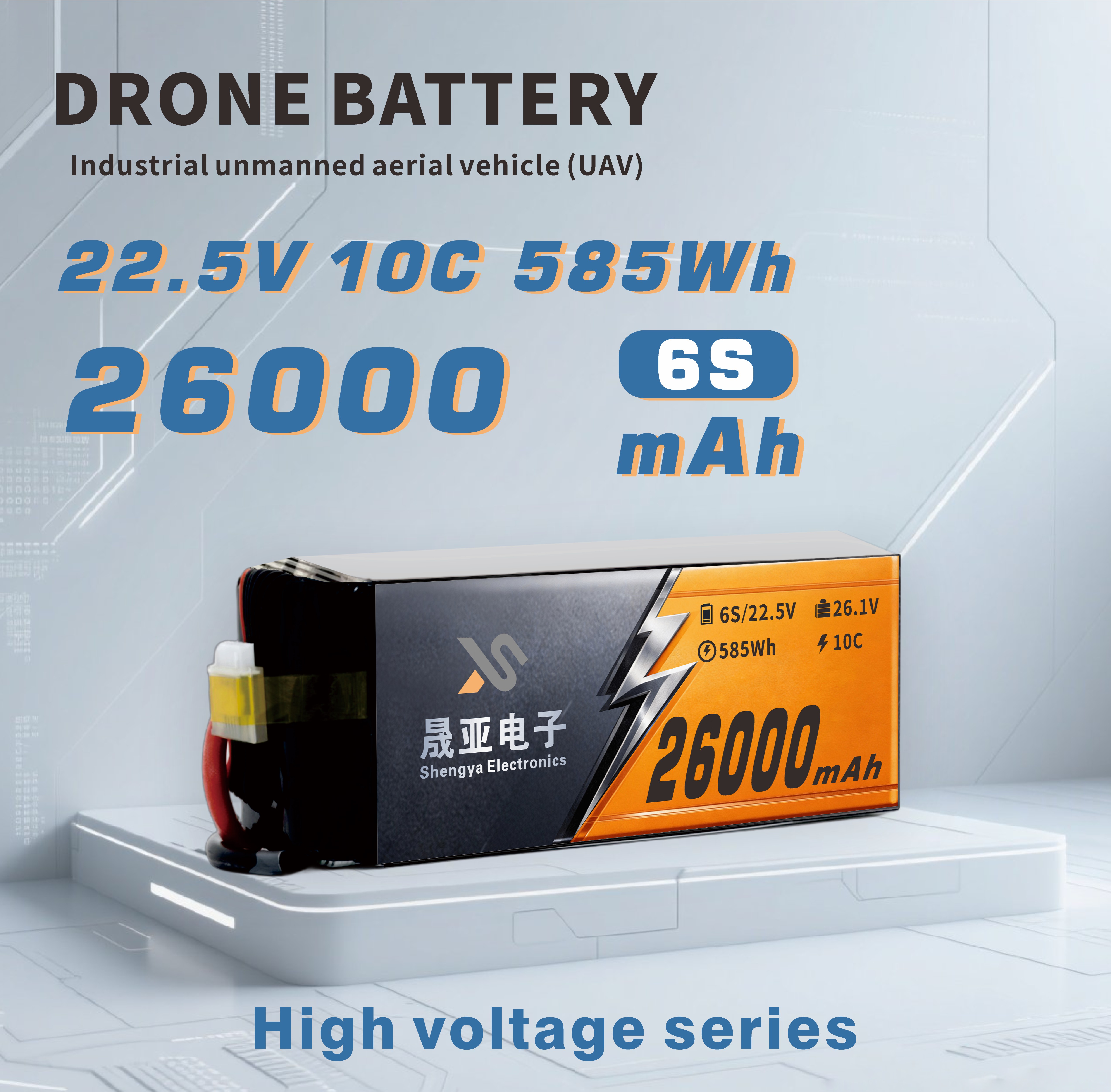
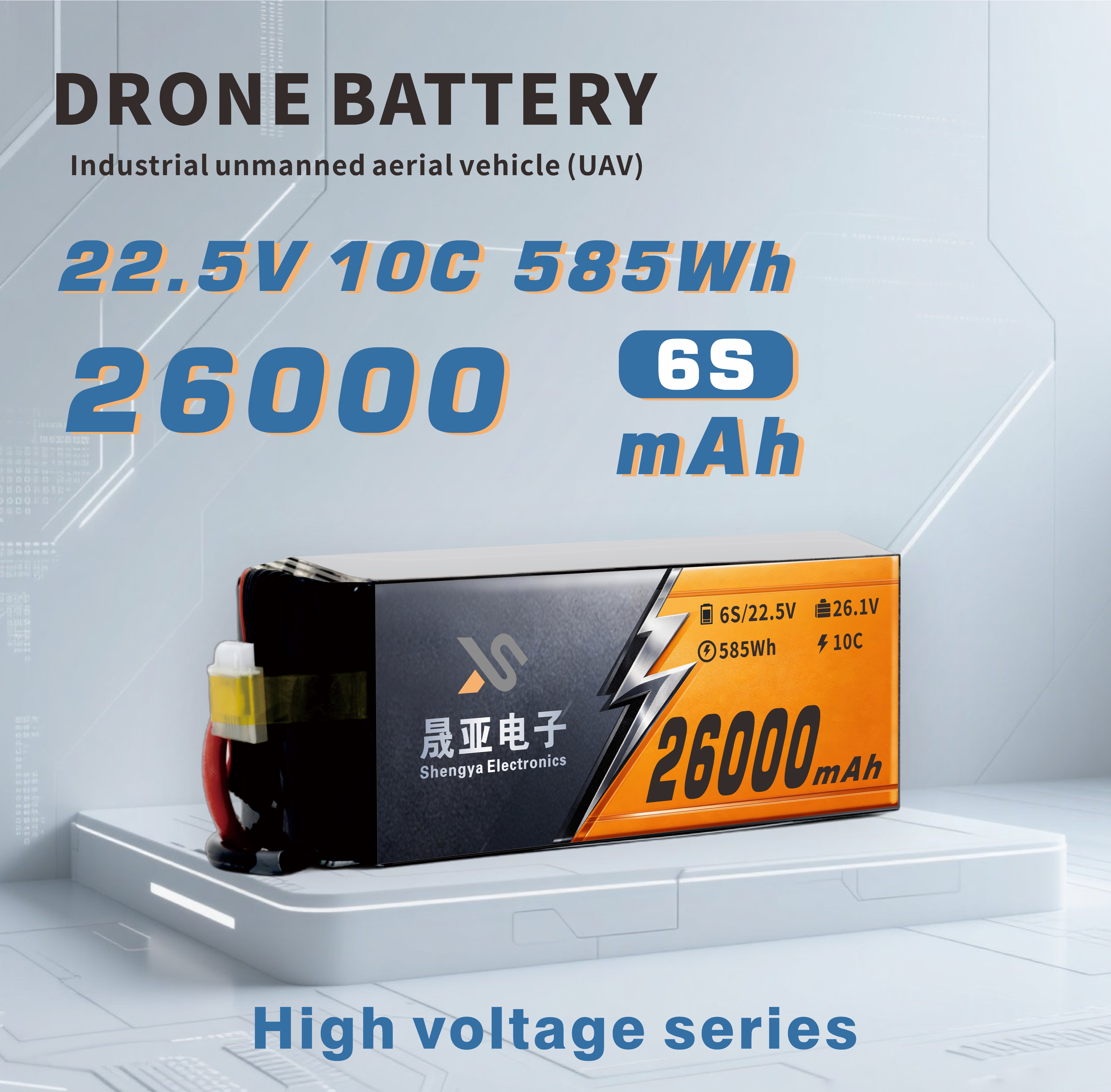
The operational ceiling, payload capacity, and mission success of any commercial UAV program depend entirely on the limitations of its power source. Enterprise operators constantly battle the weight-to-power ratio in the field. Over-speccing a battery adds dead weight that directly diminishes flight time. Under-speccing risks severe voltage sag, thermal throttling, or catastrophic failure during heavy-lift or high-wind operations. Moving beyond surface-level marketing claims requires a rigorous technical evaluation of cell chemistry, discharge capabilities, and intelligent management systems. Identifying a truly capable power source means aligning specific mission profiles with the correct electrical specifications. Understanding the underlying engineering of these power systems is the only way to maximize flight endurance without compromising safety or payload capacity. We evaluate these systems based on hard data, not assumptions, to ensure reliable performance in demanding environments.
Contextual Performance: A high-performance drone battery is not defined solely by maximum capacity, but by the optimal balance of energy density, discharge rate, and overall weight for a specific payload.
Chemistry Dictates Application: The choice between LiPo (high burst power) and Li-Ion (maximum endurance) fundamentally alters the drone's operational capabilities and cycle life.
BMS is Critical: For an industrial UAV battery, an integrated Battery Management System (BMS) is mandatory for mitigating thermal risks, ensuring cell balance, and extending usable cycle life.
Defining Success Criteria: Framing Power Requirements for Commercial UAVs
Selecting the right power source begins with defining the exact operational parameters of the aircraft. A battery that performs well on a lightweight mapping drone will fail when installed on a heavy-lift agricultural sprayer. The selection process must anchor in hard mathematical requirements. We measure true capacity by running a controlled discharge test on a bench at the expected flight amperage, rather than relying on the manufacturer's sticker.
Payload Weight vs. Flight Time Metrics
The foundation of battery selection relies on calculating the required watt-hours (Wh) based on the drone's all-up weight (AUW) and target hover time. A heavier drone requires more wattage to maintain a hover. Typically, a multirotor consumes between 150 to 200 watts per kilogram of AUW just to stay airborne. When calculating these metrics in the field, we always account for wind resistance. A drone hovering in zero wind might draw 150W/kg, but fighting a 15-knot headwind can easily push that draw to 220W/kg.
Determine the total AUW of the aircraft, including payload and estimated battery weight.
Multiply the AUW by the estimated wattage per kilogram to find the continuous draw.
Calculate the required watt-hours for the target flight time based on that continuous draw.
Add a 20% safety buffer to prevent deep discharging, establishing the target nominal rating.
Failing to account for environmental variables during the Wh calculation leads to dead batteries miles away from the landing pad. Calculating these metrics prevents operators from carrying unnecessary battery weight that yields diminishing returns in flight time.
Environmental and Thermal Operating Constraints
Extreme temperatures drastically alter battery performance and internal resistance. Lithium cells rely on chemical reactions that slow down in cold weather. Cold weather operations cause internal resistance to spike. This reduces the battery's ability to deliver current and severely limits flight time. If you launch a cold pack, the voltage sags immediately under load, triggering a premature return-to-home sequence. Operators flying in sub-zero environments must utilize pre-heating strategies or select cells specifically formulated for low-temperature discharge.
Conversely, high-temperature environments exacerbate heat generation during rapid discharge. If the ambient temperature exceeds 40 degrees Celsius, the battery may quickly reach its thermal limit during heavy-lift operations. This triggers the flight controller to initiate an emergency landing. Evaluating the thermal tolerances of a battery pack is non-negotiable for reliable field deployment. We frequently see standard packs fail in desert mapping operations simply because the ambient heat leaves no thermal headroom for the discharge cycle.
Mission-Specific Power Profiles
Different applications place vastly different demands on the power system. Long-range mapping and inspection missions typically feature a steady-state current draw. The drone ascends to altitude, transitions to forward flight, and maintains a consistent, relatively low amperage draw for the duration of the mission. In contrast, dynamic applications like agricultural spraying, tethered heavy-lifting, or cinematic FPV require aggressive throttle inputs.
These dynamic profiles demand massive instantaneous current spikes to arrest momentum or fight sudden wind gusts. Establishing the baseline power profile dictates whether the operator should prioritize sheer energy density or high discharge capabilities. You do not want a high-discharge battery on a mapping drone because you end up carrying extra copper and lithium weight that you will never utilize.
Core Specifications of a High-Performance Drone Battery
Understanding the technical specifications printed on a battery label is necessary for matching the power source to the aircraft. These numbers define the physical and electrical limits of the pack, dictating how the drone will perform under load.
Capacity and Energy Density
Capacity, measured in milliampere-hours (mAh) or ampere-hours (Ah), indicates the total volume of energy stored within the pack. A 16000mAh (16Ah) pack can theoretically deliver 16 amps of continuous current for exactly one hour. However, usable energy is always lower than nominal energy. Discharging a lithium battery to absolute zero causes irreversible chemical damage. A pack rated for 22000mAh might only deliver 18000mAh before hitting the safe voltage cutoff of 3.2V per cell.
Operators must rely on High Energy Density Drone Batteries to maximize efficiency. Energy density, measured in watt-hours per kilogram (Wh/kg), is the most critical metric for endurance. Maximizing this number extends flight times without penalizing payload limits. A battery with higher energy density packs more power into a lighter footprint. This directly improves the aircraft's overall efficiency. In field tests, swapping a standard 150 Wh/kg pack for a 250 Wh/kg pack of the same physical weight yields massive gains in loiter time.
Discharge Rates and Current Delivery
The C-Rating determines the maximum safe amperage draw a battery can sustain without overheating or suffering voltage collapse. A battery features both a continuous C-rating and a burst C-rating. To calculate the maximum continuous current, multiply the capacity (in Ah) by the C-rating. For example, a 20Ah battery with a 15C continuous rating can safely output 300 amps.
Utilizing a High Rate UAV Battery is essential for dynamic missions. If a battery cannot meet the amperage demands of the Electronic Speed Controllers (ESCs) and motors during aggressive maneuvers, the system experiences voltage sag. Severe voltage sag triggers low-voltage alarms prematurely. It can cause the flight controller to initiate an uncommanded descent to protect the system. A high C-rating usually means thicker internal tabs and heavier wiring, which adds weight to the overall pack.
Voltage and Cell Configurations (6S, 8S, 12S, 14S)
Battery packs are constructed by wiring individual cells in series (S) and parallel (P). Series connections increase the total voltage, while parallel connections increase the total capacity. A standard lithium cell has a nominal voltage of 3.7V. Therefore, a 6S pack operates at 22.2V, while a 12S pack operates at 44.4V.
Higher voltage systems offer significant efficiency benefits for heavy-lift platforms. According to Watt's Law, delivering the same amount of total power at a higher voltage requires less current. Lower current drastically reduces heat generation within the wiring, ESCs, and motors. Upgrading from 6S to 12S halves the amperage required for the same wattage. This means you can use thinner gauge wire, lighter ESCs, and generate significantly less heat. Heat is wasted energy. Keeping the system cool directly translates to longer flight times and a more reliable propulsion system.
Evaluating Cell Chemistry: LiPo vs. Li-Ion in Industrial Applications
The chemical composition of the battery cells dictates the physical characteristics, discharge capabilities, and longevity of the pack. The industry relies primarily on two distinct lithium-based chemistries, each serving entirely different operational profiles.
Lithium Polymer (LiPo) - High Discharge and Agility
Lithium Polymer cells utilize a gel-like electrolyte encased in a flexible foil pouch. This pouch cell construction eliminates the heavy metal casings found in cylindrical cells. It reduces overall weight and minimizes internal resistance. The primary advantage of LiPo chemistry is its ability to deliver massive instantaneous current. They often boast burst rates of 50C to 100C or higher. This makes LiPo the standard for high-agility tactical drones, cinematic FPV rigs, and platforms requiring extreme burst power.
However, the trade-offs are significant. LiPo cells are more volatile and highly sensitive to physical puncture. Pouch cells swell over time as they off-gas during heavy discharge cycles. They generally offer a shorter cycle life compared to modern alternatives. Their overall energy density is also lower, making them less ideal for long-endurance missions.
Lithium-Ion (Li-Ion) - Endurance and Cycle Life
Lithium-Ion packs are typically constructed from rigid cylindrical cells, such as the 18650 or the larger 21700 formats. These cells prioritize energy density and stability over extreme discharge rates. Li-Ion chemistry is the undisputed choice for long-range mapping, persistent surveillance, and extended inspection flights. They offer superior cycle life, routinely surviving hundreds of deep charge-discharge cycles with minimal capacity degradation.
The rigid steel casing provides excellent physical protection and thermal stability. Cylindrical cells vent if they over-pressurize, whereas pouch cells expand. We prefer Li-Ion for anything flying over populated areas because the steel casing prevents physical damage from propagating into a thermal event. While traditional Li-Ion cells struggled with low discharge rates, recent advancements in cell technology now allow for up to 10C continuous discharge. This effectively bridges the gap between endurance and power requirements for heavy-lift enterprise platforms.
Chemistry Comparison Matrix
Feature
Lithium Polymer (LiPo)
Lithium-Ion (Li-Ion)
Cell Structure
Flexible Foil Pouch
Rigid Cylindrical (18650, 21700)
Energy Density (Wh/kg)
Moderate (150 - 200 Wh/kg)
High (200 - 260+ Wh/kg)
Discharge Rate (C-Rating)
Very High (25C - 100C+)
Low to Moderate (2C - 10C)
Cycle Life
Shorter (150 - 300 cycles)
Longer (500 - 1000+ cycles)
Optimal Application
Agility, FPV, Heavy Payload Burst
Long-Range Mapping, Endurance Hover
The Role of the Battery Management System (BMS) in an Industrial UAV Battery
A bare cluster of lithium cells is vulnerable to overcharging, deep discharging, and thermal runaway. A dumb battery is a liability in the field. To ensure safety and reliability, an Industrial UAV Battery must incorporate a sophisticated Battery Management System. This internal circuitry transforms a volatile chemical energy source into a predictable, manageable power system.
Active Cell Balancing and Health Monitoring
During discharge and recharge cycles, individual cells within a multi-cell pack naturally drift out of sync. Some cells may hold a slightly higher voltage than others. If left unchecked, this imbalance reduces the overall usable capacity of the pack. It can cause the lowest-voltage cell to drop below safe limits, permanently damaging the battery. A smart BMS constantly monitors the voltage of each individual cell. It employs active cell balancing to shuttle energy from higher-voltage cells to lower-voltage cells. This ensures the entire pack remains perfectly synchronized. Constant health monitoring guarantees the battery maintains its rated capacity over time and prevents localized cell degradation.
Thermal Mitigation and Overcharge Protection
Lithium batteries are highly sensitive to overcharging. Pushing a cell beyond its maximum voltage threshold rapidly induces thermal runaway, leading to fire or explosion. The BMS serves as the primary defense against this catastrophic failure. It executes strict safety protocols during charging, automatically cutting off the current if any single cell reaches its maximum voltage limit. Furthermore, the BMS monitors internal temperatures via embedded thermistors. If the pack exceeds safe operating temperatures during a high-draw flight, the BMS communicates with the flight controller to throttle motor output. This mitigates thermal risks before they compromise the aircraft.
Data Logging and Fleet Management
Modern enterprise drone operations require precise data logging to manage fleet readiness. A high-end BMS utilizes communication protocols such as CAN bus or SMBus to transmit real-time telemetry to the drone's flight controller. We require CAN bus communication so the flight controller knows exactly how many amp-hours have been consumed. Voltage telemetry alone is useless because it sags under load and recovers when hovering, giving false readings to the pilot. This allows the pilot to view highly accurate State of Charge (SoC) and State of Health (SoH) metrics on their ground control station. This data logging capability allows fleet managers to track total cycle counts, monitor internal resistance trends, and retire aging batteries before they fail in the field.
Trade-Offs in Weight and Operational Efficiency
Maximizing flight time is not as simple as attaching the largest possible battery to the drone. The physics of multirotor flight dictate a strict relationship between weight, power consumption, and operational efficiency. Operators must navigate these trade-offs to optimize their fleet.
The Weight Penalty vs. Usable Capacity Curve
Every gram of weight added to an aircraft requires additional thrust to lift, which in turn requires more electrical power. This creates a curve of diminishing returns. Adding a larger battery initially increases flight time. Eventually, the drone consumes more energy just to lift the extra weight of the battery than the battery itself provides. Finding the apex of this curve is mandatory for field operations. If a drone is designed to carry a 2kg payload, utilizing an oversized battery that pushes the motors to 90% throttle during a standard hover leaves no overhead for maneuvering or fighting wind. The optimal battery size keeps the drone's hover throttle between 40% and 55%. This ensures maximum efficiency and control authority.
Cycle Life Degradation Factors
All lithium batteries degrade over time, losing their ability to hold a full charge. This degradation is accelerated by heat, deep discharges, and aggressive charging habits. An enterprise operator must account for this inevitable capacity loss when planning long-term missions. A battery that provides 45 minutes of flight time when brand new may only provide 35 minutes after 150 cycles. To maximize operational efficiency, operators should avoid discharging batteries below 20% capacity. Ensure they are stored at a nominal storage voltage when not in use. Proper thermal management during and immediately after flight drastically reduces the rate of chemical degradation.
Charging Infrastructure and Turnaround Efficiency
Operational efficiency on the ground is just as important as efficiency in the air. High-capacity enterprise batteries require robust charging infrastructure to maintain continuous flight operations. Relying on slow, single-channel chargers creates massive bottlenecks during field deployments. Operators must utilize high-wattage, multi-channel charging stations capable of replenishing large packs rapidly. While parallel charging setups can increase turnaround efficiency, they require strict adherence to safety protocols. Batteries connected in parallel must be of the same cell count, chemistry, and roughly the same state of charge before connection. This prevents massive current rushes that can damage the cells or cause a fire.
Implementation Risks and Safety Compliance
Deploying large-scale lithium power systems introduces significant physical and regulatory risks. Enterprise operators must implement strict handling procedures and ensure all equipment meets international safety standards to protect personnel and property.
Mitigating Thermal Runaway Risks
Thermal runaway is an unstoppable chain reaction where a damaged or overstressed cell generates heat faster than it can dissipate, leading to ignition. Mitigating this risk requires strict post-flight protocols. Batteries must be allowed to cool to ambient temperature before being placed on a charger. Charging a hot battery severely degrades its internal chemistry and increases the risk of failure. Furthermore, batteries must be stored in fire-retardant cabinets or specialized LiPo safes. Physical inspections should be conducted prior to every flight. Check for puffed cells, damaged leads, or compromised heat shrink. Any battery showing signs of physical swelling must be immediately retired and safely discharged for disposal.
Regulatory Certifications
Legal and safe enterprise deployment requires batteries that pass rigorous international testing standards. The most critical certification is UN38.3, which is mandatory for the legal air transport of lithium batteries. The UN38.3 testing protocol subjects the battery to altitude simulation, extreme thermal cycling, severe vibration, mechanical shock, external short circuits, impact, overcharging, and forced discharge. Batteries lacking this certification cannot be legally shipped via air freight and pose a massive liability risk. Additionally, compliance with CE, FCC, and RoHS standards ensures the battery's electronic components do not interfere with the drone's sensitive navigation equipment.
Supply Chain and Sourcing Reliability
The market is flooded with counterfeit cells and re-wrapped batteries featuring grossly exaggerated capacity and discharge ratings. Sourcing a reliable High-Performance Drone Battery requires rigorous vendor vetting. Unverified manufacturers often suffer from inconsistent batch quality. One battery may perform flawlessly while another from the same order fails mid-flight. Operators must demand detailed technical specification sheets, including verified discharge curves and internal resistance metrics, directly from the manufacturer. Establishing a relationship with a reputable supplier ensures consistent cell matching, reliable BMS integration, and access to technical support when diagnosing power-related flight anomalies.
Conclusion
To optimize your current UAV operations and ensure you are deploying the correct power systems, execute the following steps:
Audit your current fleet's flight logs to determine the actual average and peak amperage draw during typical missions.
Request comprehensive technical specification sheets, including continuous discharge curves, from prospective battery manufacturers.
Conduct controlled, tethered load testing with new battery models to verify voltage stability before committing to bulk procurement.
Implement strict thermal management and storage protocols to maximize the usable cycle life of your existing power inventory.
FAQ
Q: What defines a high rate UAV battery?
A: A high rate battery is engineered to deliver massive amounts of current instantaneously without suffering severe voltage drop or overheating. This capability is determined by its C-rating. These batteries are essential for heavy-lift drones, tethered applications, or platforms operating in high-wind environments where the motors require sudden power spikes to maintain stability.
Q: How do high energy density drone batteries impact overall flight time?
A: Energy density measures how much power a battery holds relative to its weight. Batteries with high energy density provide more usable flight time because they add less dead weight to the aircraft. This allows the drone's motors to operate at a lower throttle percentage, conserving power and extending the overall hover duration.
Q: What is the expected cycle life of an industrial UAV battery?
A: Cycle life depends heavily on chemistry and usage habits. High-discharge LiPo batteries typically last between 150 and 300 charge cycles before their capacity drops below 80%. Modern Li-Ion packs utilizing cylindrical cells can routinely achieve 500 to over 1000 cycles if properly maintained, kept cool, and not discharged below 20%.
Q: How do I choose between 6S, 8S, and 12S battery configurations for my drone?
A: The choice depends entirely on your drone's motors and ESCs. Higher voltage setups allow the system to generate the same amount of power using less current. Lower current reduces heat generation and improves overall efficiency. Heavy-lift drones almost exclusively use 12S or 14S configurations to manage massive power requirements safely.
Q: Why is a Battery Management System (BMS) necessary for commercial drones?
A: A BMS is critical for safety and longevity. It continuously monitors the voltage of individual cells, preventing overcharging and deep discharging. It balances the cells to ensure uniform capacity, monitors internal temperatures to prevent thermal runaway, and communicates real-time battery health data directly to the drone's flight controller.
Q: Is parallel charging safe for enterprise drone batteries?
A: Parallel charging can be safe and highly efficient if strict rules are followed. All batteries connected in parallel must have the exact same cell count, the same chemistry, and be within 0.1V per cell of each other before connection. Failure to match voltages will cause a massive current surge, risking fire.