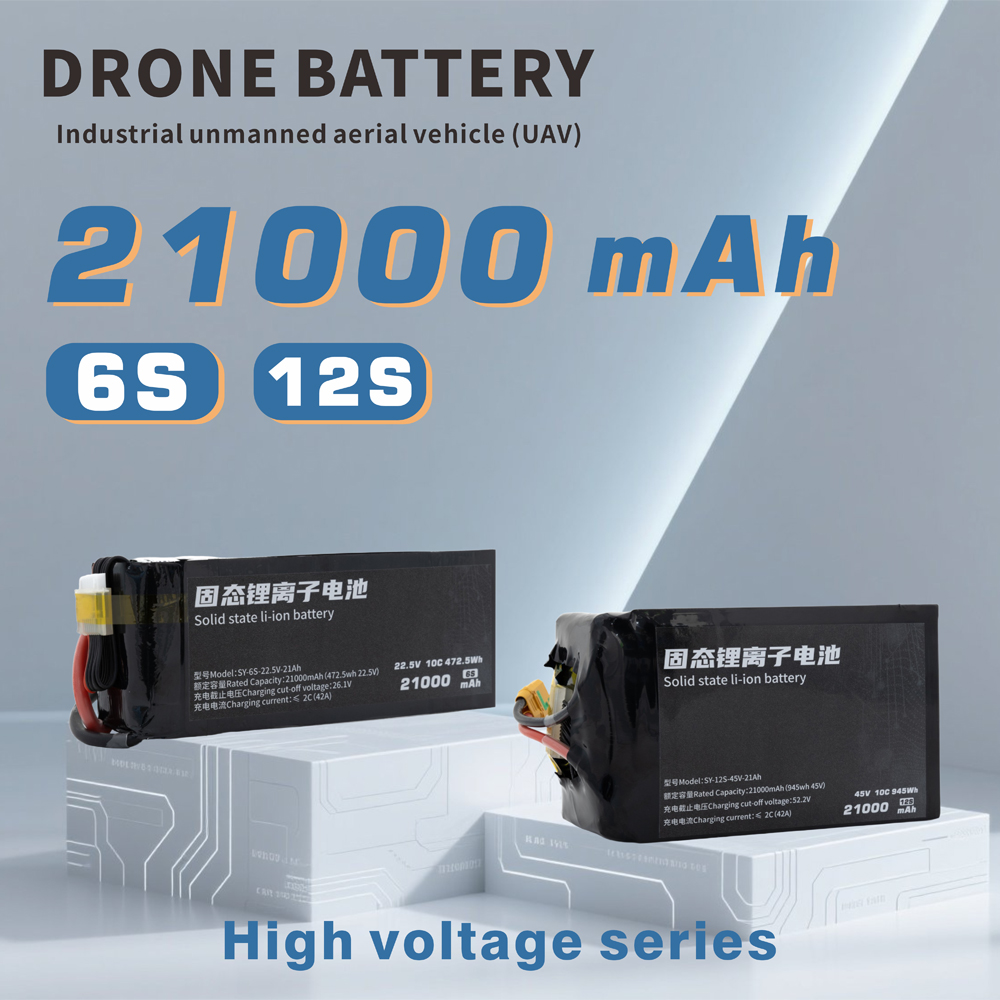
Want maximum flight time without your drone feeling like a flying brick? This is a constant struggle for pilots across the globe. Recent industry analyses highlight a rapid transition in the commercial UAV sector toward high-density power solutions. Commercial operators are pushing beyond visual line of sight. They are mounting heavier payloads like LiDAR sensors and multispectral cameras. Standard power setups simply cannot keep up with these demands. High-voltage architectures have shifted from a niche luxury to an absolute operational necessity for modern flight systems.
Solving this weight-to-power dilemma means pushing your aircraft limits efficiently. In this comprehensive guide, we break down the exact engineering nuances of battery selection. We will cover capacity, discharge rates, and specific voltage tiers. This ensures you find the perfect power source for your rig.
Key Takeaways
Understand the Voltage Difference: High voltage cells charge to 4.35V, 4.40V, or 4.45V per cell. This offers higher energy density and less voltage sag than standard 4.2V setups.
Match Battery to Drone Type: FPV racers prioritize high discharge rates for quick bursts of speed. Aerial photography drones focus on high capacity for extended flight times.
Balance Weight and Capacity: Bigger is not always better. Excess weight requires more power to lift, negatively impacting overall efficiency.
Safety is Paramount: Advanced power systems require specialized chargers and strict storage protocols. This prevents internal degradation and physical swelling.
What is a High Voltage Drone Battery?
A high voltage drone battery, commonly known as LiHV, represents a significant modification in standard lithium polymer chemistry. Traditional lithium polymer cells max out at a charge voltage of 4.20V. High voltage variants are engineered to safely reach elevated levels like 4.35V, 4.40V, or even 4.45V per cell. Manufacturers achieve this through precise adjustments in the cathode and anode composition. They often incorporate advanced nanomaterials to stabilize the cell structure under higher electrical pressure.
The primary scientific advantage of this chemistry lies in its increased energy density. Allowing the pack to charge to an elevated voltage limit means significantly more electrical energy is stored within the exact same physical footprint. For pilots requiring a reliable High-Performance Drone Battery, this translates directly to increased thrust. You get longer flight times without the penalty of added mass. Consequently, these powerhouses have rapidly become the industry standard for applications where the power-to-weight ratio dictates success.
Standard LiPo vs. Advanced High Voltage Technology
Making an informed decision requires grasping the empirical differences between standard lithium cells and advanced high-voltage technology. Let us look at the core metrics.
Specification
Standard LiPo
High Voltage Battery
Nominal Voltage
3.7V per cell
3.8V or 3.85V per cell
Max Charge Voltage
4.20V per cell
4.35V, 4.40V, or 4.45V per cell
Energy Density
Standard baseline
10% to 15% Higher
Voltage Sag
Noticeable under heavy load
Minimal, maintains higher curve
Energy density refers to the amount of energy stored relative to the pack weight. High voltage packs deliver a superior power-to-weight ratio. Because they pack more voltage into the same physical space, a 1500mAh high voltage unit generally weighs the same as its standard counterpart. However, it delivers noticeably more total watt-hours. In drone dynamics, every extra gram forces the motors to work harder. This weight optimization is an absolute game-changer.
Furthermore, voltage sag is that frustrating drop in power occurring when a heavy electrical load is applied. Aggressively punching the throttle to pull out of a dive is a prime example. High voltage packs are specifically designed to maintain a flatter voltage curve under severe load. The starting voltage is elevated, keeping the pack above the critical low-voltage threshold much longer during aggressive maneuvers. This ensures a consistent feel and a powerful punch from takeoff to landing.
Key Factors for Choosing the Right Power Source
Selecting the correct power source requires meticulously matching the battery to your aircraft hardware parameters. You cannot simply guess.
Cell Count and Voltage Compatibility
The S rating indicates how many individual cells are wired in series. A 4S battery contains 4 cells, whereas a 6S battery houses 6. Voltage aggregates in series. Therefore, a 6S high voltage pack at 4.35V per cell hits a peak of 26.1V. Before making any upgrades, you must scrutinize your drone Electronic Speed Controller and motor specifications. The onboard hardware must be explicitly rated to handle the elevated peak voltage. Failing to check this can lead to catastrophic component failure mid-flight.
Battery Capacity vs. Weight
Capacity is measured in milliampere-hours. This dictates how much current the pack can deliver over an hour. A larger capacity generally equates to longer flight times, but it inevitably introduces physical bulk. The golden rule of drone physics is unforgiving. Heavier drones require exponentially more thrust just to hover. This in turn draws more amps. Finding the sweet spot involves selecting a capacity providing ample flight time without burdening the motors to the point of inefficiency.
Discharge Rate Standards
The C-rating governs the maximum safe continuous discharge rate. How do you calculate the maximum continuous current draw? Multiply the capacity in Amps by the C-rating. For instance, a 1.5Ah battery boasting a 100C rating can safely dump 150 Amps continuously. Equipping your rig with a battery lacking an adequate C-rating is a recipe for disaster. It will overheat, physically swell, and suffer a drastically reduced lifespan due to severe thermal degradation.
Understanding Specific Voltage Tiers
The high-voltage category is far from monolithic. It encompasses distinct voltage tiers engineered for highly specific operational demands. Understanding these tiers is vital for selecting the precise power delivery system for your aircraft.
4.35V Cells: The Entry to High Voltage
The 4.35V cell serves as the foundational standard for high-voltage technology. It offers a measurable upgrade in energy density over standard 4.20V setups without requiring a complete overhaul of your charging infrastructure. This voltage level is exceptionally well-suited for everyday FPV pilots and hobbyists aiming to optimize flight times and throttle response. Upgrading to a 4.35V setup is a highly practical method to squeeze better performance out of standard builds.
4.40V Cells: The Middle Ground
Operating at 4.40V per cell, this mid-tier option provides a noticeable leap in energy density. These packs are meticulously engineered for demanding applications. Striking a balance between extreme power output and sustained capacity is paramount here. They are frequently deployed in commercial mapping, moderate heavy-lift scenarios, or long-range cruising. Every fraction of a volt contributes significantly to extended airborne operations. This makes a Rechargeable Drone Battery engineered for 4.40V a highly reliable workhorse.
4.45V Cells: Cutting-Edge Power
Representing the absolute pinnacle of current commercial lithium technology, 4.45V cells deliver the ultimate power-to-weight ratio. These specialized batteries are formulated for professional racing circuits, heavy-lift cinematic rigs, and maximum endurance flights. Weight restrictions in these fields are brutally stringent. Utilizing a Long-Lasting Drone Battery at 4.45V ensures maximum energy storage within a confined physical footprint. It delivers unmatched performance for advanced setups.
Matching Battery Tech to Your Specific Use Case
No single battery is universally perfect. The optimal choice hinges entirely on the unique flight dynamics demanded by your specific application.
FPV Racing and Freestyle
FPV racing and freestyle flying involve violent, rapid changes in motor RPM. Consequently, pilots must prioritize extreme C-ratings and elevated voltage to facilitate aggressive throttle punches. In these high-stakes scenarios, weight is the ultimate enemy. A lighter rig allows for razor-sharp turns and blistering acceleration. Pilots routinely sacrifice total capacity in favor of a lighter, high-discharge pack to maintain maximum acrobatic agility.
Cinematic and Aerial Photography
Cinematic drones operate on a completely different spectrum. They require smooth, stable, and prolonged flights to capture flawless video footage. Extreme discharge rates are largely unnecessary here. Instead, the focus pivots to securing a high-capacity power source with a remarkably stable voltage curve. Lower C-ratings are perfectly acceptable. This allows manufacturers to cram more energy density into the cell, resulting in extended hover times and predictable power delivery.
Long-Range and Commercial Drones
For commercial rigs carrying heavy payloads like agricultural sprayers, reliable and sustained thrust is mandatory. High-voltage setups are preferred when the payload demands high sustained amp draws. Modern industrial solutions have evolved significantly. For example, a 21000mAh high voltage semi-solid state battery offers incredible endurance for industrial UAVs. It provides massive capacity while mitigating the thermal risks associated with traditional liquid electrolytes. This makes it the superior choice for heavy-duty commercial reliability.
Step-by-Step Sizing Calculation
Selecting a battery should be rooted in hard mathematical calculations rather than guesswork. Follow these practical engineering steps to ensure both safety and peak efficiency.
Step 1: Determine the All-Up Weight
First, calculate the total flying weight of your drone. Grab a scale and weigh the frame, motors, electronics, payload, and the estimated weight of the battery you intend to use. An accurate total weight forms the critical foundation for all subsequent power calculations.
Step 2: Calculate Required Thrust
To maintain a stable hover, your drone motors must produce thrust exactly equal to the total weight. However, safe control requires overhead. The standard rule of thumb is a 2:1 thrust-to-weight ratio for basic hovering and cinematic flight. For agile FPV flying, a ratio of 4:1 or higher is strictly required. Multiply your total weight by your desired ratio to find the total required thrust.
Step 3: Find the System Amp Draw
Next, consult the thrust data tables provided by your motor manufacturer. Locate the thrust value matching your requirement divided by the number of motors. The table will clearly indicate the specific amp draw required to produce that thrust at your chosen voltage. Multiply this single-motor amp draw by the total number of motors. This gives you your maximum continuous system amp draw.
Step 4: Verify C-Rating and Capacity
Finally, ensure your battery can handle the load. Multiply the battery capacity in Ah by its C-rating. The resulting number must be significantly higher than the maximum system amp draw calculated in Step 3. Mathematically verifying this ensures the battery will safely power your drone without overheating or risking a mid-air fire.
Essential Safety and Maintenance Protocols
Advanced power systems pack an incredible amount of volatile energy into a remarkably small space. Adhering to strict maintenance protocols prevents rapid degradation and ensures operational safety. Knowing how to handle High Voltage Lithium Batteries is just as important as knowing how to fly.
Charging Protocols
The golden rule of high-voltage chemistry is utilizing the correct charging equipment. You must use a computerized balance charger equipped with a dedicated high-voltage setting. Charging a high-voltage battery on a standard setting will only charge it to 4.20V. You will miss out on the extra capacity. Conversely, attempting to force a standard 4.20V pack to elevated voltage levels is a severe fire hazard. Always double-check the charger settings before hitting start.
Proper Storage Voltage
Leaving a battery fully charged for extended periods degrades its internal chemistry rapidly. This causes internal resistance to spike. If you do not plan to fly within 48 hours, you must discharge or charge the battery to a storage voltage of approximately 3.80V to 3.85V per cell. This simple engineering habit stabilizes the internal chemicals and dramatically prolongs the overall lifespan of the pack.
Preventing Physical Swelling
Battery swelling occurs when internal electrolyte decomposition generates trapped gas. This is primarily triggered by over-discharging below 3.3V per cell under load. It can also be caused by overheating due to exceeding the C-rating or improper storage at full charge. If a battery exhibits visible swelling or feels squishy, its internal structure is permanently compromised. It should be retired immediately, discharged safely, and disposed of at a certified recycling facility.
Frequently Asked Questions
Can I charge a high voltage drone battery with a standard charger?
You can safely charge it using a standard charger set to 4.2V per cell. The battery will function normally, but you will not utilize its full capacity or power potential. To reach the engineered limits and unlock its true performance, you must use a modern smart charger with a dedicated high-voltage mode.
Do high voltage lithium batteries degrade faster than standard setups?
Pushing a lithium cell to higher peak voltages can introduce more stress on the internal chemistry. However, modern high-performance drone batteries are specifically formulated with advanced additives like graphene to handle this exact stress. Strict adherence to proper storage voltages and avoiding over-discharging will ensure a lifespan highly comparable to standard options.
Can I use a high-voltage battery on a drone built for standard voltage?
In most cases, yes, provided your Electronic Speed Controllers and motors are rated to handle the slight increase in peak voltage. For instance, a fully charged 6S high-voltage pack reaches 26.1V, compared to 25.2V for a standard 6S pack. Always check your component specification sheets before making the upgrade.
What is the difference between a 4.35V and a 4.45V drone battery?
The core difference lies in energy density. The 4.45V battery holds a higher energy density per cell than the 4.35V variant. This means the 4.45V battery can either be lighter while providing the exact same capacity, or provide more capacity at the exact same weight. This makes the 4.45V option vastly superior for advanced setups requiring maximum endurance.
How long do high voltage drone batteries typically last?
With proper maintenance, a high-quality pack will typically last between 150 to 300 charge cycles before experiencing a noticeable drop in capacity. Consistently flying the battery down to critical voltage levels or storing it fully charged will drastically reduce this lifespan to under 50 cycles.
Can I mix different voltage cells in the same drone setup?
No, you should never mix different battery chemistries or voltage tiers in a single power system. Mixing a standard pack with a high-voltage pack will cause severe voltage imbalances. This leads to unpredictable power delivery, extreme stress on the lower-voltage cells, and a high risk of thermal runaway.
Ready to Upgrade Your Flight Performance?
Choosing the right power system is the single most effective way to optimize your drone flight time and payload capacity. Whether you are building an agile FPV racer or outfitting a commercial heavy-lift UAV with semi-solid state technology, matching the exact voltage tier and capacity to your hardware is essential.
Stop letting heavy, inefficient power sources ground your operations. Explore the comprehensive range of professional-grade power solutions at Shengya Power to find the exact battery engineered for your specific flight demands.