Operating commercial drones requires precision and strict maintenance protocols. The real heartbeat of your aerial fleet lies in its power source. A single oversight in power management can ground your operations instantly.
Improper battery handling carries steep operational and financial stakes. These consequences range from catastrophic equipment loss due to thermal runaway to premature capacity degradation. Such outcomes quietly destroy your hardware return on investment. Professionals cannot rely on guesswork.
We will explore a standardized, compliance-aligned approach to managing lithium-based systems. You will learn protocols covering LiPo, Li-Ion, and Smart BMS architectures. These guidelines align with industrial safety standards, including OSHA principles. We will implement measurable performance metrics to move your operations far beyond consumer-level advice.
Key Takeaways
Standardizing your charging and storage SOPs can extend drone battery life by hundreds of cycles while preventing thermal events.
Never store drone batteries at 100% capacity; maintaining a 60% charge (approx. 3.7V–3.85V per cell) is mandatory for long-term health.
Internal resistance is the most objective metric for battery health—cells exceeding 20mΩ should be slated for immediate retirement.
Aviation transport strictly limits batteries over 100Wh (up to 160Wh with airline approval), requiring strategic logistics for commercial field operations.
Understanding Drone Battery Failure: Chemistries and Root Causes
Distinguishing between battery types forms the foundation of effective power management. Fleet operators must treat different chemistries with specific oversight strategies to maximize lifespan.
Smart Batteries vs. Standard LiPo Packs
Consumer and prosumer equipment generally utilizes smart batteries. These units feature a built-in Drone Battery Management System (BMS). A smart BMS provides automated idle discharging. If you leave the pack fully charged, it automatically drains itself to a safe storage level after a few days. This protects the internal chemistry without user intervention.
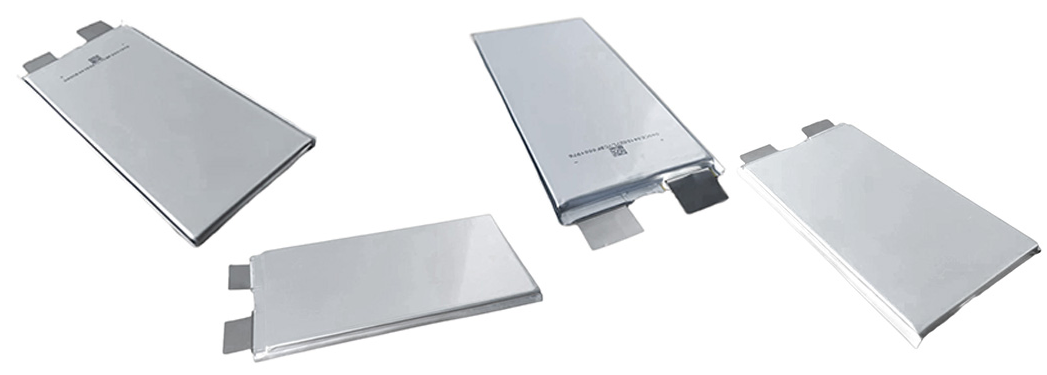
In contrast, professional FPV and heavy-lift rigs rely on standard Lipo Battery Cells. These lack internal protective circuitry. They require manual balancing, strict user oversight, and external monitoring. You must actively manage their voltage levels to prevent catastrophic failure.
We can further divide drone power sources into two main chemical categories: LiPo and Li-Ion. The chart below outlines their distinct characteristics.
Feature
Lithium Polymer (LiPo)
Lithium-Ion (Li-Ion)
Discharge Profile
High instantaneous discharge (ideal for FPV/agile flights)
Stable, consistent discharge (ideal for long endurance)
Energy Density
Moderate
High
Average Lifespan
150 to 250 cycles
300 to 500 cycles
Thermal Stability
Highly sensitive to heat fluctuations
Better thermal stability under sustained loads
The Physics of Battery Degradation
Understanding why cells fail helps operators respect safety protocols. Degradation usually stems from three primary physical abuses: overcharging, deep discharging, and thermal stress.
Overcharging forces excessive energy into the cell. This causes metallic lithium to plate onto the anode. The reaction generates carbon dioxide gas internally. Because the pouch is sealed, this gas causes structural swelling. A swollen pack is highly unstable and prone to rupture.
Deep discharging is equally destructive. Draining cells below 3.5V under heavy load triggers irreversible capacity loss. Many pilots fall into the "one last minute of flight" trap. They ignore low-voltage warnings to finish a mapping run. This extreme drain causes the internal copper collectors to dissolve, permanently crippling the cell.
Thermal stress accelerates all degradation processes. Closed vehicles parked in the sun easily reach internal temperatures exceeding 60°C (140°F). Storing gear in these conditions breaks down the chemical electrolyte. It severely increases the risk of thermal runaway during your next flight.
Drone Battery Charging Standard Operating Procedure (SOP)
Charging is the most volatile phase of a battery’s lifecycle. Establishing a strict Standard Operating Procedure (SOP) prevents accidents and ensures consistent performance across your fleet.
Pre-Charge Inspection (Evaluation Criteria)
You must mandate physical checks before every single charge cycle. Operators should follow a strict evaluation checklist.
Visual Inspection: Look for any signs of structural swelling, plastic film punctures, or frayed connector wires.
Olfactory Check: Smell the pack briefly. A sweet or chemical odor indicates a microscopic electrolyte leak.
Internal Resistance Check: Use your smart charger to measure internal resistance (IR). New cells generally measure under 10mΩ. You must flag any single cell exceeding 20mΩ for immediate retirement. High IR causes the pack to generate excessive heat under load.
Environmental Setup
Your charging environment requires careful preparation. Always set up on fire-retardant surfaces like concrete, metal, or specialized ceramic mats. Keep the charging station away from direct sunlight. Maintain ambient temperatures around 25°C (77°F) for optimal chemical acceptance.
Never connect a hot pack to a charger immediately post-flight. The internal chemistry is already stressed from rapid discharge. Mandate a minimum cool-down period of 30 minutes. Let the pack return to room temperature before initiating the charge cycle.
Execution and Monitoring
When operating multi-cell configurations (2S and above), you must always use a balance charger. This ensures voltage parity across all individual cells. Unbalanced cells can easily overcharge during a standard cycle, leading to thermal events.
Whether you charge a standard pack or a High Voltage Lithium Battery, utilize vented LiPo safe bags or specialized metal charging safes. These enclosures contain flames in the event of an ignition. Furthermore, commercial charging stations must always keep Class ABC or CO2 fire extinguishers accessible. Sand buckets also provide excellent suppression for localized lithium fires.
Long-Term Storage: Optimizing Capacity and Firmware
Improper storage ruins more equipment than actual flight operations. Managing voltage baselines and environmental factors preserves capacity during downtime.
The 3-Day Idle Rule and Voltage Baselines
Establish a strict 3-day idle rule for your fleet. If you leave any unit unused for more than 72 hours, it must enter storage mode. Leaving cells fully charged degrades the internal chemistry rapidly, causing permanent capacity loss.
Your target State-of-Charge (SOC) for storage should sit between 60% and 65%. For standard chemistries, this equates to approximately 3.7V to 3.85V per cell. Modern smart chargers feature a dedicated "Storage" setting that automatically balances the pack to this precise voltage range.
Environmental Storage Parameters
Maintain your storage facility temperatures strictly between 15°C and 25°C (59°F–77°F). Consistent temperatures prevent the internal materials from expanding or contracting.
We explicitly warn against refrigeration. While cold environments slow chemical degradation, refrigerators introduce high humidity. Moving a cold pack into warm air causes internal condensation. This moisture can easily bridge contacts and create a catastrophic internal short circuit.
BMS and Firmware Maintenance
Software plays a critical role in modern hardware maintenance. Your battery firmware must always match the drone’s current software version. Mismatched firmware causes BMS communication errors. This can trigger unexpected in-flight voltage drops or initiate a sudden auto-landing sequence.
Additionally, stored equipment requires periodic exercise. Instruct your maintenance team to routinely cycle stored packs once a month. Charge them to 100%, discharge them to 20% in a controlled hover, and then return them to the 60% storage voltage. This verifies cell health and calibrates the BMS percentage readings.
Logistics and Transportation: Field Operations to Air Travel
Transporting lithium power sources involves strict regulatory compliance and physical risk management. Movement subjects the sensitive internal structures to vibrations, impacts, and temperature shifts.
Aviation Compliance (TSA/FAA Guidelines)
Aviation transport operates under strict federal regulations. Airlines view lithium packs as hazardous materials. You must understand the specific watt-hour (Wh) limits before heading to the airport.
Units under 100Wh are generally permitted in carry-on baggage without quantity restrictions, though reasonable limits apply.
Units between 101Wh and 160Wh strictly require prior airline approval. Passengers are normally limited to a maximum of two spares in this category.
Spare lithium packs must never be placed in checked luggage. The cargo hold lacks the monitoring capability to detect a thermal event quickly.
Commercial and Agricultural Field Operations
Enterprise drones, such as agricultural sprayers or industrial inspection fleets, utilize massive, high-capacity power units. Transporting these requires an elevated tier of logistical planning.
Field operations expose equipment to dirt, moisture, and extreme impacts. Detail the necessity of cleaning field debris from terminal connections before packing. A single blade of wet grass across a terminal can initiate a short. Pack all units in impact-resistant, waterproof hard cases.
You must safely transport companion charging stations alongside the fleet. Secure heavy generators and chargers so they cannot crush the cases during transit. Always isolate battery contacts using dedicated terminal covers. If covers are unavailable, wrap the connectors tightly with electrical tape to prevent accidental shorting.
Emergency SOP and End-of-Life Disposal
Even with perfect maintenance, equipment eventually ages out or suffers accidental damage. Recognizing critical failure modes prevents compromised units from causing harm.
Recognizing Critical Failure Modes
Operators need clear, actionable thresholds for decommissioning hardware. Ambiguity leads to dangerous flight decisions. Demand immediate grounding if a unit exhibits any of the following traits:
Any visible puncture to the exterior plastic film or hard casing.
A physical drop onto a hard surface exceeding 12 inches, which can invisibly crack the internal separator.
Noticeable swelling, regardless of how minor it appears.
Incident Response Protocol
If a thermal runaway event occurs, immediate and correct action is vital. Clarify to all personnel that water cannot extinguish a lithium chemical fire. The chemical reaction generates its own oxygen. Water only cools the surrounding area to prevent secondary ignition of nearby materials.
Detail the use of specialized Class D fire extinguishers, Class ABC extinguishers, or dry sand to smother the flames. Note OSHA and compliance realities: if personnel must handle a leaking industrial unit, they must wear appropriate Personal Protective Equipment (PPE). This includes heavy insulated gloves and full face shields to protect against toxic gas and corrosive electrolyte fluid.
Safe Decommissioning and Disposal
You cannot simply throw volatile lithium products into the regular trash. You must completely neutralize their energy potential prior to disposal. Provide your team with verifiable physical destruction methods.
The safest immediate method involves discharging the pack to absolutely 0V. Connect a 12V halogen lightbulb or a high-ohm resistor to the terminals. Place the setup in a fireproof area and let it drain until the light completely dies.
Alternatively, use the 3% saltwater bath method for damaged cells. Submerge the punctured or crushed unit in a bucket of saltwater for 48 hours. The saltwater acts as a slow conductor, safely draining the remaining voltage while neutralizing the chemicals. Once completely neutralized, transport the remains to a certified e-waste recycling facility.
Conclusion
Rigorous battery management bridges the crucial gap between prolonged hardware longevity and strict operational safety. Treating your power sources with the same respect as your expensive payloads drastically reduces the risk of in-flight failure and facility fires.
Fleet managers and prosumers should take immediate action. Audit your current inventory today. Discard swollen packs, invest in high-quality internal resistance meters, and strictly enforce the 60% storage rule across your organization.
Finally, always review the manufacturer’s specific manual for your drone model. For enterprise applications, consult with a commercial drone solutions architect to build a safe, scalable fleet-level charging infrastructure.
FAQ
Q: What is the best temperature to store a drone battery?
A: The optimal storage temperature ranges from 15°C to 25°C (59°F to 77°F). You should actively avoid extreme heat and cold. Never place your equipment in a refrigerator, as this introduces internal condensation that causes short circuits.
Q: Can I travel on an airplane with my drone batteries?
A: Yes, but only in carry-on baggage. Spare lithium packs are banned from checked luggage. Packs under 100Wh are widely permitted. Units between 101Wh and 160Wh require specific airline permission, and you are generally limited to carrying two.
Q: Why is my drone battery swelling?
A: Swelling results from internal gassing caused by electrolyte decomposition. This is usually triggered by over-discharging, overcharging, or high-temperature exposure. A swollen pack is chemically unstable and a severe fire risk. Do not use swollen batteries.
Q: Do smart drone batteries discharge themselves?
A: Yes, most modern smart batteries from leading manufacturers feature an integrated BMS. This system is programmed to automatically discharge the internal capacity to approximately 60% after 1 to 10 days of inactivity. This function protects the internal cell chemistry.